
How a Tiny Kansas Town Rebooted Its Struggling Hospital into a Health Care Jewel
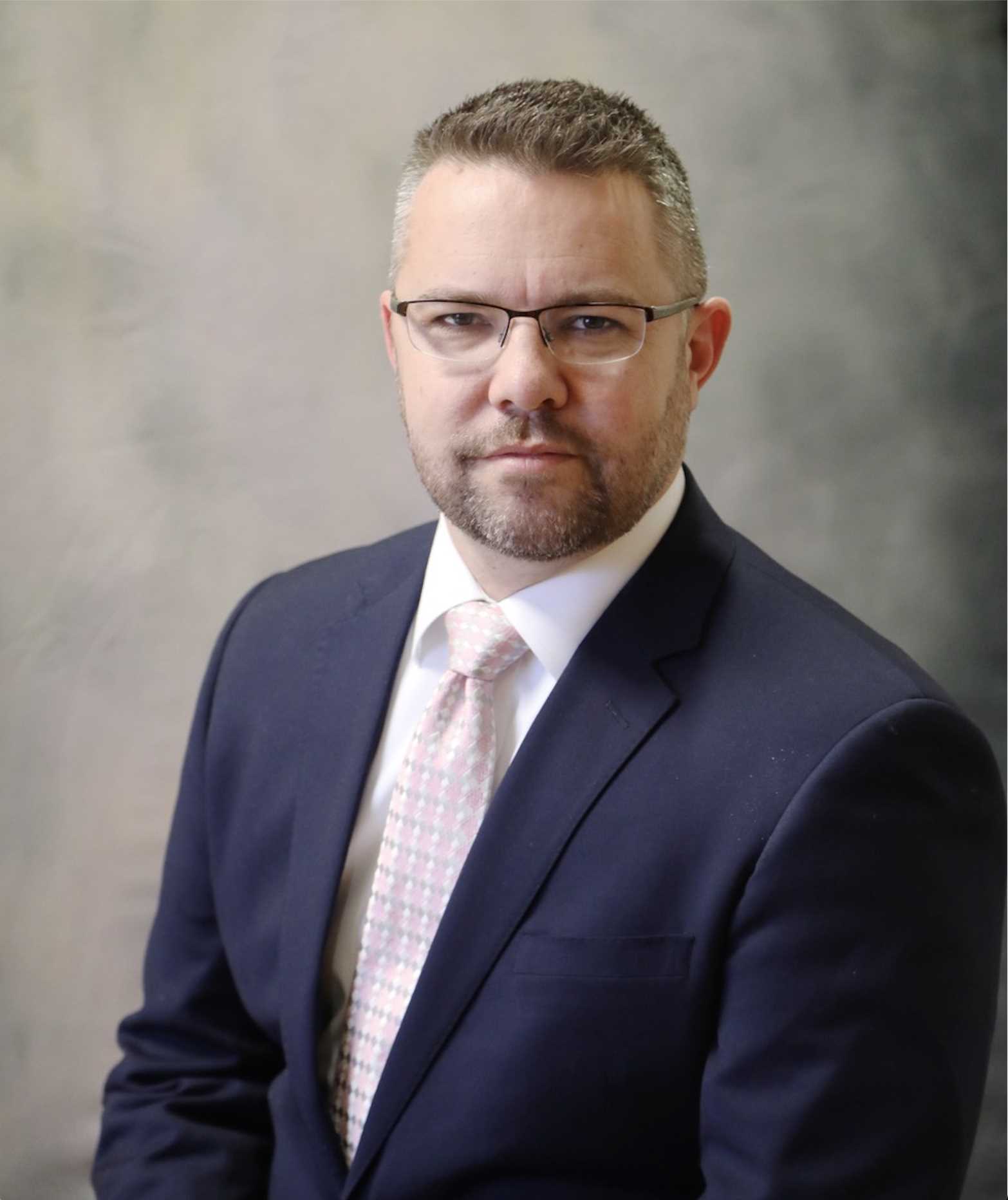
Saturday, May 26, 2018
LAKIN, Kansas—No stoplight marks the entrance to Lakin, just a gas station, a Subway, and a Dollar General. On Main Street, a coffee shop owned by a Mennonite family stays open late once a week, but its storefront was the only one illuminated at 7 p.m. on a recent weeknight. According to one study, the 2,200 citizens of Lakin live in one of the ten most remote towns in the country. To reach it, you must drive through miles of straw-colored fields that stretch to the horizon in all directions. Ranches that aren’t growing corn or wheat have rigs drilling for natural gas or cows standing in feedlots of gray filth. During the winter, the air is so dry that the soil cracks, and the wind carries the inescapable stench of dust and manure.
The region’s economy depends on the price of gas and oil, which plummeted in recent years. But there are pockets of industrial vitality, too. Seventeen miles east of Lakin, in Holcomb, where Truman Capote wrote In Cold Blood, smoke rises from the steel towers of the Tyson Fresh Meats plant. Tyson’s workers slaughter 6,000 head of cattle a day, making it one of the largest beef-packing plants in the world. East African refugees inspect beef beside immigrants from Burma, Mexico, and Ecuador. Those who don’t find jobs at the plant labor on the surrounding dairy farms and ranches. In short, this part of western Kansas is like a lot of rural America, right down to the struggling county hospital.
Four years ago, Kearny County Hospital had to turn away patients because it didn’t have enough doctors to treat them. It was losing $100,000 a year in its maternity ward. County commissioners wanted to avoid the fate of other rural communities, which have lost 83 hospitals across the country in the past eight years. Often, the solution is to stop delivering babies. More than half the rural counties in the country no longer have a labor and delivery unit in their hospitals; in Kansas, nine rural obstetrics units have shut down in the past 10 years, and six more are planning to close soon, says Michael Kennedy, associate dean for rural health education at the University of Kansas School of Medicine.
But Kearny County went the other way.
Officials hired an innovative CEO who came up with a way to make their rural hospital appeal to talented young physicians who want to deliver babies in Third World countries. You can do that work right here in Kansas, Ben Anderson told his new recruits, by serving immigrants and refugees. Once the new doctors arrived, Anderson applied for grants to upgrade the hospital’s equipment and fly in a specialist to see women with high-risk pregnancies. The skilled doctors and luxurious birthing suites attracted immigrants from neighboring Garden City and wealthier patients from out of town, and the baby boom they created padded the hospital’s bottom line. KCH went from delivering 187 babies in 2014 to 327 in 2017. In the span of five years, Anderson has turned the hospital into the county’s largest employer, with a profitable maternity ward that draws patients from as much as two hours away for its superior care. “I think it’s a huge success story,” Kearny County Commissioner Shannon McCormick says. “When you’re alive and thriving and all your neighbors are not—you’re doing something good.”
The district’s Congressman is Roger Marshall, a Republican obstetrician who has said that some poor people “just don’t want healthcare.” But if the turnaround of Kearny County Hospital reveals anything, it’s that people really like good health care.
Anderson says the hospital now serves about 20,000 patients annually, up from roughly 10,000 patients in 2012, and generated $23.4 million in revenue last year. As hospitals in his corner of southwest Kansas continue to cut services, he’s looking to expand.
“We have a moral responsibility to provide good care,” he says, “even if we’re the only care.”
***
On a windy February morning, Anderson wore black-frame glasses and carried a thermos from Dartmouth, where he earned his master’s in healthcare delivery science, as he gave me a tour of the hospital. The walls of his office were covered in his handwriting: stick figures to illustrate the concepts of equity and equality, a pie chart to explain how the hospital is reimbursed for Medicare patients. His personal mission statement was scrawled in a back corner: “Honor God through loving diverse people and advocating for holistic healing, with special attention toward those who are most vulnerable.”
Anderson grew up poor in California and remembers receiving medicine from a homeless shelter because he didn’t have insurance. Now 38, he says that experience, along with his Christian faith, drives his desire to care for others. “It’s a practical act of love,” he says.
We walked past the hospital waiting room, where a Bible, a copy of Methodist Life newspaper, and a Spanish-language phone book sat on a table near the front door. The halls were carpeted and quiet, muffling whatever emergencies might be unfolding behind closed doors. Anderson showed me one of the five spacious birthing suites, which each have a private bathroom, Jacuzzi tub, and fold-out couch. In one corner of the room was a $16,000 incubator, designed to transfer infants to the neonatal intensive care unit in Garden City, half an hour away. Down another hallway was the brightly-lit family clinic, where moms waited with their young children to see the same doctors who had delivered them. Outside, Anderson showed me the converted military trailer that handles the overflow from the clinic. This is where some of the area’s sickest moms see a specialist once a month.
Anderson and his wife, who grew up near Kansas City, have four children. She wanted to raise them in a rural Kansas town, and he was drawn to the refugee population near Kearny County. In 2009, they moved to Ashland, Kansas, about two hours southeast of Lakin. That’s where Anderson pioneered his recruiting strategy. He asked Todd Stephens, director of the international family medicine fellowship at Via Christi, a Catholic, nonprofit regional health system with a particular focus on serving the poor in Wichita, how he could hire one of his graduates. Stephens encouraged him to target candidates who were interested in missionary work overseas. He also warned Anderson that the doctors wouldn’t relocate one at a time—good doctors don’t want to practice by themselves.
Anderson took that recruiting model with him to Lakin in 2013. Over the next two years, he hired six new medical providers and began coordinating recruiting efforts with hospitals in five other counties. He was especially interested in family medicine doctors who were trained in obstetrics because, in rural America, it’s more affordable to hire someone who can treat all patients than to hire specialists. Family medicine physicians can also get help repaying their medical school loans if they work in rural, underserved areas. Via Christi has one of the strongest family medicine obstetrics training programs in the country. Anderson kept hiring their graduates, and then made sure his hospital had the equipment to back up their skills.
First, he had to address the hospital’s high rate of complicated births. In 2014, he asked Lisette Jacobson, an associate professor at the University of Kansas School of Medicine-Wichita, to help him apply for a grant from the Children’s Miracle Network of Kansas. She examined the data and discovered that most of the women with what is known as complicated pregnancies were overweight, obese or had family members who had been diagnosed with diabetes or heart disease. This is partly a function of living in rural America, Jacobson says, where people tend to drink and smoke more, weigh more and have less access to medical care and healthy food. Many of the women also had gestational diabetes—which is associated with preeclampsia, drives up C-section rates, and can threaten the life of the baby and mother. Latino women are at higher risk for gestational diabetes, and they make up the majority of KCH’s pregnant patients. The hospital’s gestational diabetes rate was twice the national average.
These statistics helped convince the Children’s Miracle Network to give Kearny County the $250,000 grant. Much of the money was used to install an infant security system, which prevents strangers from stealing newborns from their cribs. (Kearny County had not experienced such a kidnapping, but the security has become standard after rare abductions in other states made headlines in the 1990s.) The rest of the funds were used to upgrade the birthing suites and buy obstetrical equipment. Next, Anderson and Jacobson met with officials from Via Christi Health. They explained that southwest Kansas did not have any maternal-fetal medicine specialists to care for pregnant women with gestational diabetes and other risky complications. Via Christi offered to fly one of its specialists, Dr. Michael Wolfe, the 240 miles from Wichita to Kearny County once a month. Wolfe spends each visit examining 20 expectant mothers with high-risk pregnancies. His makeshift office is now the only maternal-fetal medicine clinic along the 519 miles between Denver and Wichita. Wolfe uses a 4D ultrasound machine—which shows moving, three-dimensional images of the fetus—that the hospital purchased with $70,000 worth of local donations. He also consults with the family medicine doctors in Kearny County—some of whom he trained during residency—on how best to care for their vulnerable patients.
Jacobson is now looking for funds to start a diabetes prevention program and hire breastfeeding experts to help the women who deliver at Kearny County remain healthy before and after they give birth. The hospital also received a separate grant to build community greenhouses and a walking trail—all of which should help improve the health of overweight patients.
“I think this is a model that can be replicated in other states,” Jacobson says of her partnership with the hospital.
The key, in her view, is collaborating with private health systems and the state health department and making sure the local community supports the project from the beginning. When Jacobson discovered why so many women were having complicated pregnancies, she shared her findings with the people in Lakin and explained how she would tackle the problem. Then she formed focus groups to ask women what they wanted— such as support with diet and exercise during pregnancy. People became invested in the project. They showed up for prenatal appointments and saw how better healthcare would affect their families. When it came time to raise money for an ultrasound machine, the banks and feedlots pitched in tens of thousands of dollars. “You’re not alone out there,” Jacobson says of struggling rural hospitals. “There are a lot of people that care about what you’re doing.”
Anderson, Wolfe and Jacobson’s work is part of a partnership called Pioneer Baby, designed to improve the health of reproductive-age women and their families throughout the region. They have already seen some success. Two years ago, 28 percent of the babies born at Kearny County were “large for gestational age,” a condition caused by gestational diabetes. Now that rate is 16 percent. If it goes down to 10 percent, Anderson says, the hospital will rival its urban neighbors.
Pioneer Baby helps ease the financial strain that prompts many rural hospitals to shut down their maternity wards. There are fixed costs for staffing such units 24 hours a day—including on-call doctors and nurse anesthetists-—and many hospitals simply don’t deliver enough babies to cover those costs. Anderson has figured out how to stay afloat with a mix of Medicaid, private insurance, federal funds, and grants.
Only 14 percent of the women who deliver at the hospital live in Kearny County. The rest are evenly split between two groups: residents of neighboring Finney County—where the Tyson plant is located, and most of the immigrants live—and women from 14 other counties in the region. Some of the immigrants have private insurance through their jobs. Others have Medicaid, which reimburses in advance for prenatal visits, even if it doesn’t cover the full cost of labor and delivery. If a patient is uninsured, a state grant reimburses the hospital $61,000 annually for that lost revenue. No one is turned away because of their inability to pay, and the sheer volume of births helps keep the doors open.
The patients who drive to Lakin from one or two hours away are motivated by different factors. At least half of them have nowhere else to go: there’s a doctor shortage in their counties, and their hospitals have cut back on delivery services. But others have heard the doctors at Kearny County are good and the birthing suites are comfortable. These women tend to have private insurance, and their premiums offset the cost of serving people who are insured. Last year, the obstetrics unit turned a $400,000 profit.
The federal prescription drug program called 340B helps the hospital care for needy mothers in other ways—giving them car seats and clothing, helping them rid their homes of bed bugs or buy groceries. The 340B program allows certain hospitals to buy drugs at a steep discount and then be reimbursed for those costs by Medicare. Kearny County uses a portion of the $1.64 million it receives through the program to help pregnant women—particularly those who are uninsured. “If Medicaid isn’t covering the cost of OB, that money has to come from somewhere,” says Diane Calmus, government affairs, and policy manager for the nonprofit National Rural Health Association. “And 340B is an important source of that for a lot of hospitals.” The program has recently come under fire from the Trump administration, which slashed $1.6 billion from its budget this year.
Given such financial and political constraints, Anderson’s success is a rare bright spot in the industry. “If we could replicate Benjamin Anderson—having somebody with the skill set that he has is a big piece of the picture,” Calmus says.
***
Fatha Hasan keeps a framed photo of the doctor who delivered her 6-month-old son on the wall of her Garden City home. An Ethiopian refugee, Hasan immigrated to Kansas last February to join her husband. They already had two children, one of whom was born via C-section. Hasan wanted to avoid surgery with her third baby, but doctors at a Garden City clinic told her she would have to have a C-section. So she went to Kearny County.
Dr. Lane Olson gave her a choice: She could attempt a vaginal birth, but there was a small chance her uterus could rupture and both she and the baby could die. He might have to perform an emergency C-section. Despite these dangers, the American College of Obstetricians and Gynecologists recommends vaginal births after C-sections as long as emergency intervention is available. Olson was willing to give it a try. “He was kind to her. He encouraged her and helped her a lot,” says Ifrah Ahmed, a friend of Hasan’s who translated for her during a recent interview. “He helped her build her morale.” And Olson was right. Hasan spent just one night in the hospital to give birth last November and did not need a C-section.
Olson, 32, moved to Lakin three years ago in part because he wanted to help patients like Hasan. He had done a fellowship at a mission hospital in Rwanda and wanted to keep working internationally. He’s now one of five family medicine doctors—along with a physician assistant—who handle deliveries at KCH, and Anderson plans to add two more doctors this fall.
Erin Keeley, a 27-year-old physician assistant, is fluent in Spanish and has befriended many of the local refugees. She’s counseled a first-time mom from Somalia about the safest way to deliver her baby after female genital mutilation, and listened sympathetically to a woman, pregnant with her third child, who had to leave her two older daughters behind in Cuba. “There’s just a sense of medicine as mission here,” Keeley says.
And that mission changes the way patients are treated. Some women told me they feel more welcome in Lakin than they do in Garden City hospitals and clinics. They don’t have to sit for hours in the waiting room, and if they are uninsured, it’s easier to get service. “They don’t make the patients feel like you’re the outsider,” Ahmed says. “More like, ‘How can I help you? What can I do for you?’”
A few weeks before Trump was elected, federal authorities thwarted a plot by a small, anti-Muslim militia group to bomb an apartment complex in Garden City where many Somali immigrants live. By contrast, doctors at Kearny County have befriended their Somali patients, and offer to pray with women during labor, a practice that both Muslim refugees and Christian patients appreciate. “They’re very God-centered people,” Ahmed says. “Especially refugees that have been through a lot in life … it makes an impact and shows them that there is good in the world.”
The doctors also receive substantial perks: 10 weeks paid time off a year, which allows them to travel internationally, and the chance to practice their skills. On a typical day, every family doctor will deliver a baby, see patients in the emergency room and clinic, perform minor surgery and check on patients in the hospital and nursing home.
Dr. Drew Miller, 38, grew up 40 miles away and has been working at Kearny County Hospital for nearly eight years. After doing his training in Kansas City, the transition back to a rural area was tough. “A small town can feel very isolated and clique-y,” he says. “Those first couple of years, it was very lonely.”
Some locals think the young doctors are only in Lakin to pay off their medical school loans. Older patients complain that they can no longer see the same family doctor every time they need medical care—and the doctor they do see might be their children’s age. Such resentments can make it difficult for newcomers to make friends outside of work. Yet Miller says he’s grown to love Lakin and plans to stay.
As the hospital continues to grow, Kearny County is looking for ways to expand its staff and possibly open a clinic closer to the Tyson plant. Anderson is working with an architect to design a master plan for the hospital that would include more birthing suites. Olson says the next big challenge is recruiting and retaining nurses to work exclusively in the obstetrics unit. Doctors can’t stay with patients through hours and hours of labor, so well-trained nurses must fill that role.
Meanwhile, Fatha Hasan keeps bringing her son to see Olson and recommends him to friends and neighbors. “She’s praying that God gives Olson a long life to live,” Ahmed says.
Source : https://www.politico.com/magazine/story/2018/05/26/kansas-hospital-rural-healthcare-218407
Testimonials
We work with a lot of speaking organizations... Let me tell you - ESB is the best! Matt Meyer is by far the best agent to work with!

Everyone on the ESB team (Matt, Sheryl, etc.) has been great to work with for our events. Looking forward to keep working with ESB!

We had a positive experience with ESB. Matt Meyer is a great communicator and easy to get a hold of. He helped us through the process to make..

ESB was patient, thorough, and responsive during the planning process. Thank you for making this such a great experience for us!

ESB supported our needs and the needs of our speaker throughout the entire process. I highly recommend working with ESB to find your next spe..

"It's always a pleasure to work with ESB. Very professional and personable staff. Thanks!"

"Excellent! Thank you for being a true partner to our organization and its development."
"They are the only speakers bureau I will even consider using!"

A wonderful bureau to work with! Big ups to everyone who helped make our event a success. Fingers crossed we get the chance to collaborate fo..
"As always, you are the best most responsive speaker bureau I've ever worked with!"

Need Suggestions? Have Questions?
Call to discuss how we can you help find the right speaker(s) for your organization.
© 2025 Executive Speakers Bureau. All Rights Reserved.
Design and Developed by eBiz Solutions


Get Ideas in 1 hour or less
Executive Speakers Bureau consistently receives praises about our speed and efficiency. From the beginning of your event planning, our extensive online speaker database and resourceful staff allow us to quickly equip you with the best speaker for your event.
Need a last minute speaker? No worries. Our speed and efficiency help us give you ideas for speakers in one hour or less.