Jennifer Brown
- Author, Diversity Consultant
Jennifer Brown Speaker Biography
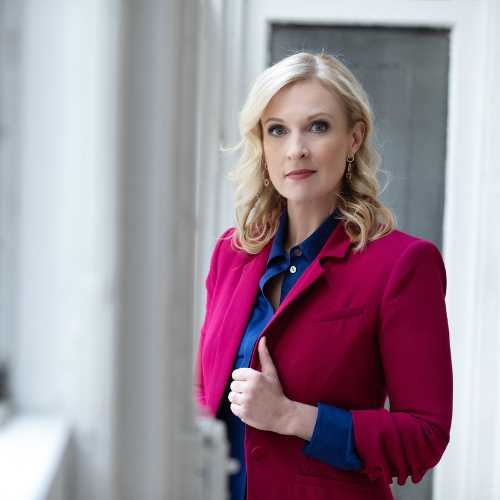
Jennifer Brown (she/her) is the trusted voice organizations turn to when workplace culture is at a crossroads. With over two decades of experience guiding leaders through moments of tension, transformation, and opportunity, Jennifer has become a leading authority on building inclusive, future-ready workplaces where everyone can thrive.
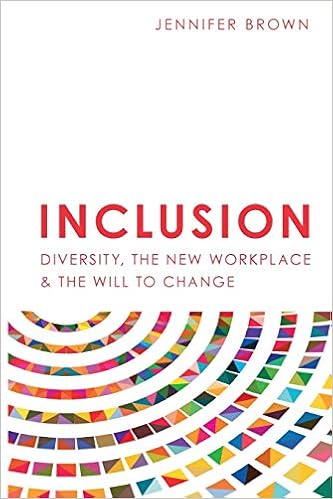
She is the bestselling author of four influential books, including Inclusion, the award-winning How to Be an Inclusive Leader (now in its second edition), and the Wall Street Journal bestseller Beyond Diversity. Her writing dives deeply into identity, privilege, equity, and practical tools for lasting organizational change.
As a sought-after keynote speaker, Jennifer has delivered impactful talks for Google, LinkedIn, IBM, Toyota, Columbia Business School, Kellogg, and Vanderbilt. She also serves as a strategic advisor to global brands, including L’Oréal and the Bill & Melinda Gates Foundation.
Her signature framework, the Inclusive Leader Continuum™, is used across industries to guide individuals and organizations from awareness to sustained action. From the C-suite to the front lines, Jennifer empowers leaders to bridge the gap between business imperatives and human needs—cultivating cultures of resilience, authenticity, and trust.
In an era of rising polarization and rapid change, Jennifer brings a steady, strategic presence. She helps companies navigate complex conversations, embrace difference, and create workplaces where people feel seen, valued, and safe.
Jennifer is also the host of The Will to Change podcast, with nearly 15,000 monthly listeners tuning in for honest conversations about leadership, identity, and the future of work.
She lives in New York with her partner of 25 years, Michelle.
Book this SpeakerFeatured Videos

Speech Topics
Jennifer’s interactive presentations and guided executive leadership sessions, in both virtual and in-person formats, invite, challenge, and energize allies, advocates, change agents, and leaders at all levels to move toward inspired action and help move their organizations towards a more inclusive future.
At the core of her sessions, there is always space for grace, a willingness to meet the learner where they are, and an emphasis on understanding the human focus…so that the destination we’re building reflects all our voices and all of our needs.
FORMATS:
Interactive Keynotes | Intersectional Panels | Engaging Q&A And Fireside Chats| Leadership and Executive Workshops | Book Events + Author Q&A | Expert Interviews
TOPICS INCLUDE:
• Creating Inclusive Cultures of Belonging Where Everyone Thrives
• How To Be An Inclusive Leader
• Ensuring Equity and Belonging in the World of Work
• Actionable Allyship and Upstander Behaviors
• Finding Your Voice in the Workplace
• What Will it Take? Beyond Black and White
Jennifer’s sessions directly address an array of challenges when it comes to embedding DEI in organizations:
· How can we build inclusive cultures of belonging where everyone thrives?
· Where do we start as an organization?
· How do I get my leaders on board and participating as allies and advocates?
· How do I encourage more allyship across my organization?
· What gets in the way of belonging?
· How do we define concepts like intersectionality, psychological safety, equity and
belonging, and why do they matter?
· What is the relationship between psychological safety, belonging and performance and innovation?
· What does a culture of belonging look like, feel like, sound like?
· How is leadership changing?
· How do we need to redefine leadership going forward?
· What is unique about the executive role in building inclusive cultures?
· How do executives need to pivot and what is the role of executive teams in driving
• cultures of belonging?
· We’re struggling with our mid-level manager DEI engagement — what are some ideas for how to get them on board?
· We’re struggling with different generational expectations around DEI, how can we create more collaboration?
· How can we create a safe container for our leaders to explore their tough questions and fear about saying the wrong thing?
GENERATIONS IN THE WORKPLACE: THE NEXT WAVE OF DIVERSITY
Generational strategies are a business imperative today, have evolved from a fun training topic to a powerful tool for workforce engagement and innovation. Smart brands filter their biggest opportunities and challenges in customer relationships and work/life strategies through generational dynamics; they create initiatives using a social media-fueled, sophisticated understanding and respect the needs and wants of a generationally diverse employee and customer base. This best practice discussion will highlight key generational insights and practices at corporations and in the field.
FINDING YOUR VOICE IN THE WORKPLACE
To give their fullest contribution, employees must feel they can bring their full selves to work; however, research shows many do not feel comfortable doing so. They are spending valuable energy every day minimizing or managing aspects of their own diversity – of identity, background, experience – in order to succeed. This takes a particular toll on diverse talent – women, people of color, LGBT individuals, people with disabilities – at a time when organizations are struggling to recruit, retain, and develop those same individuals. But all of us, and the business, pay the price.
How can we build more inclusive workplace environments where all kinds of talent feel welcome?
In this lively and informative session you’ll discover:
– The shifting definitions of diversity and inclusion in the workplace today
– The Iceberg Model: where we set our own waterline, and why
– The role and pervasiveness of “covering” in today’s workplace
– The business case for Diversity and Inclusion
– Welcomed, Valued, Respected, and Heard℠: A new model for Inclusion
– What leading companies are doing to build more inclusive workplace cultures for the future
GENDER-INCLUSIVE ORGANIZATIONS: THE ROLE OF ADVOCACY FOR WOMEN AND MALE LEADERS CREATING REAL CHANGE
The conversation about the representation and advancement of women into more senior roles has grown particularly intense, as the gender make-up of the senior suite has proved difficult to change. Today’s companies cannot afford to wait in finding solutions. In January 2015, McKinsey released Diversity Matters, a report that showed data proving “Companies in the top quartile for gender diversity are 15 percent more likely to have financial returns above their respective national industry medians.”
Valuing women of course means more than just a dollar sign—but focusing on financial statistics for equal pay is sobering:
– Women are still being paid 77 cents for every dollar a man is paid.
– Women make up only 19% of the C-suite in corporate America, but 53% of entry-level jobs.
– Women who are childless are offered an average of $11,000 more in salary than working mothers.
Acquiring female talent is one solution however the challenge is more systemic: what is it about many workplace cultures that slows women’s progress towards the leadership ranks? And where can we begin to address it?
Utilizing her ten years of consulting to Fortune 500 companies on diversity and inclusion, as well as the latest research and corporate best practices, Jennifer shares a core message about the power of advocacy and the role each of us needs to play in creating real organizational change. For women, this means understanding and successfully navigating workplace realities such as unconscious bias, and learning creative ways to advocate for an environment that better enables all women to be welcomed, valued, respected, and heard℠ so they can do their best work.
Even more critical, however, is the role of male allies in this change. The myriad of issues that hold women back from bringing their full selves to work—from bringing their best contributions to growing their careers—simply remain a lesser priority for the majority of decision-makers who have not walked in their shoes. Given the lack of representation of senior women decision-makers, we will be waiting a long time to see executive leadership reflecting the diversity of today’s society. As male leaders make up the majority of senior leadership, they have a critical opportunity to leverage their platform and position to educate their peers in leadership about the opportunities and benefits of a more inclusive workplace for women, and all kinds of diverse talent. They have a unique opportunity to utilize their voice and their social capital to drive inclusive behaviors, and to address institutional barriers that may be blocking progress.
For women, seeing and believing in this support from male leaders and from the institution as a whole inspires them to advocate more successfully on their behalf, and be confident that they will be supported as they ascend up the organizational chart. According to another McKinsey study, Unlocking the Full Potential of Women at Work, researchers found that companies who made gender diversity a transparent company priority saw greater gains—and female employees not only stayed at the company, they moved up the ladder.
THE NEXT FRONTIER: ALLIES, ACCELERATION AND IMPACT
The ally concept has taken hold firmly in recent years, far beyond its original LGBTQ birthplace into programs that encourage allies for inclusion more broadly. We are now witnessing the amazing involvement of male allies, white allies, allies for people with disabilities, and the list goes on. Many companies today have LGBTQ employee resource groups that are made up of a majority of allies – 80-90 percent in some cases, and this trend stands to continue and growing – especially with eager millennials hopping into the mix. Companies and individuals are discussing how wider, deeper and faster cultural change might occur if they’re all in.
Jennifer focuses on defining ally behaviors, and mapping out opportunities for proactive and strategic support that will make a tangible difference to shifting opportunities for women and other diverse talent. Her presentations ask provocative questions and encourage participants to interact in a discussion of the following concepts:
– What does being an ally mean to you?
– What difference has having allies made for you in your professional journey?
– How can executives model inclusive and/or ally behaviors?
– What more can allies do to support under-represented or lesser-understood communities in the workplace?
STRENGTHENING LGBTQ LEADERS, STRENGTHENING THE ORGANIZATION
Individuals who identify as gay, lesbian, transgendered, or bisexual continue to face multiple challenges in today’s society. Although some companies have made proactive efforts to embrace the LGBTQ community, many organizations still overlook the importance of LGBTQ initiatives and thereby fail to cater to these employees’ and clients’ needs.
In this session, targeted to developing leadership skills in high-potential leaders, with a specific lens on the experience and gifts of the LGBT community, Jennifer – a member of the LGBTQ community herself – will deliver insight and impact that enables audiences to more clearly understand how organizations can continue to strengthen culture through true inclusion of LGBT talent.
In this interactive session, audiences will build knowledge through exploration of the following:
– Understanding key career success factors and developing strategies for building leadership presence, influence and effectiveness
– Understanding the specific challenges faced by LGBT leaders and developing strategies for overcoming these challenges
– Applying insights from individual assessments to enhance and maximize career and leadership development
– Developing and honing leadership presence with emphasis on communicating vision, leadership brand, and influencing and motivating others
– Creating individual vision and strategy plans that will be actionable, measurable and socialized with leadership, teams and peers
– Understanding how to create an effective networking and relationship building map in order to influence and gain visibility throughout the organization
HARNESSING THE POWER OF EMPLOYEE RESOURCE GROUPS (ERGS) AND EXECUTIVE SPONSORS
Smart teams fuel company growth, and these days, ERGs are driving the front lines of business like never before. At the same time, the role of the Executive Sponsor has never been more critical in supporting this value creation, and harnessing the potential of these tremendous leadership pipelines. In this interactive session, noted ERG expert Jennifer Brown will provide an overview of the company’s trademark ERG Progression Model, and will share insights and research from the pages of JBC’s white paper – Executive Sponsors Fuel High Performance ERGs about how leadership can help to leverage the role of executive sponsors as powerful catalysts to accelerate ERG maturation and business alignment. Executive Sponsors have played an important role so far in helping ERGs create a compelling value proposition for the organizations that support them and for prospective members. Going forward, the role of executives will only increase. Learn rationales and methods for deploying Executive Sponsors who help company ERGs produce beneficial business results.