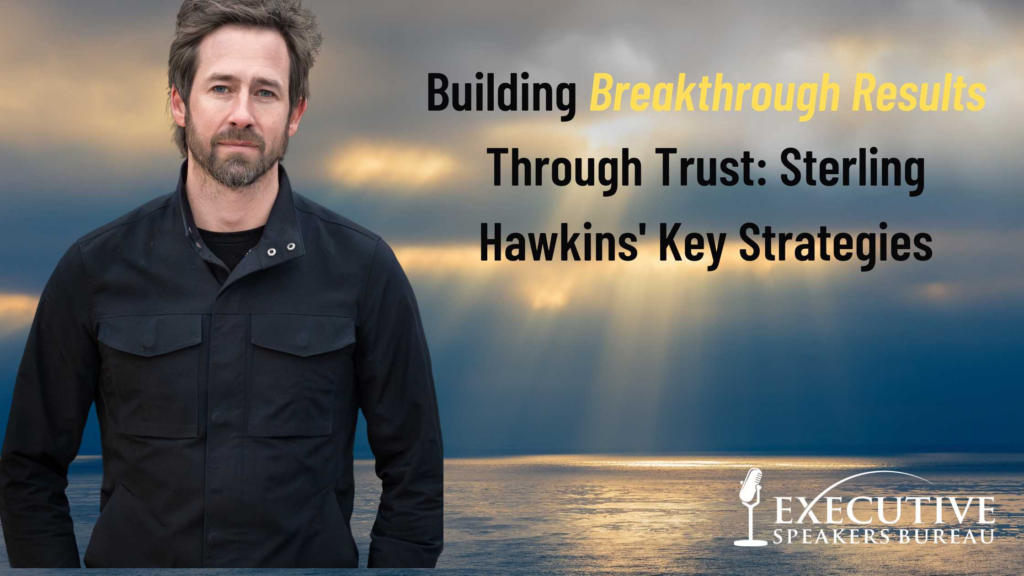
 The key to building breakthrough results isn’t a productivity hack or training tactic. It’s trust: a foundational belief that growth is possible driving continuous steps towards it. That trust (or lack thereof) isn’t grown in moments of comfort. It’s forged through navigating challenges, tough conversations and failure.
The Intersection of Trust and Results
Trust and results are inextricably linked. Teams and individuals that operate in high-trust environments consistently outperform their counterparts. Why? Trust reduces friction, encourages innovation, and creates a space for accountability.
Building trust requires intentional discomfort. Whether it’s admitting a mistake, asking for feedback, or holding others accountable, each act of vulnerability strengthens the foundation of trust. And when trust exists, people take bigger risks, collaborate more effectively, and achieve greater results.
Strategy #1: Have Courageous Conversations
Trust grows when people feel seen, heard, and valued. Courageous conversations—those difficult but necessary discussions—are a cornerstone of trust-building. They require vulnerability and the courage to address tough topics like feedback, performance, or unmet expectations. And they signal that you’re willing to confront challenges and grow, instead of avoiding them.
Example: Imagine a team member consistently misses deadlines. Avoiding the conversation erodes trust, but addressing the issue directly—while showing empathy—strengthens it. Try saying: “I’ve noticed you’ve been missing deadlines, and I want to understand what’s going on. How can we work together to get back on track?”
Strategy #2: Lead with Vulnerability
Contrary to popular belief, vulnerability isn’t weakness—it’s a strength that builds trust faster than anything else. Being vulnerable requires you to drop your guard and admit you don’t have all the answers. When you’re honest about challenges, you create space for others to do the same. It fosters a culture of authenticity.
Example: Leaders who share their own struggles—such as learning from a past failure—build trust with their teams. Admitting, “I didn’t get it right the first time, but here’s what I learned,” humanizes you and inspires others to grow.
Strategy #3: Commit to Consistency and Accountability
Making and following through on commitments is the backbone of trust. People trust those who follow through on commitments, even when it’s inconvenient or uncomfortable. Holding yourself accountable means owning up to mistakes or pushing through when things get tough. When people see that you’re reliable—whether it’s delivering on a promise or correcting an error—they trust you to handle bigger responsibilities.
Pro Tip: Build a culture of mutual accountability (up and down levels of leadership) by creating clear expectations and regularly checking in with your team.
The Trust-Results Feedback Loop
When trust is high, results follow. Trust creates a space for risk-taking, innovation, and honest feedback—all of which are essential for achieving breakthrough results. Conversely, delivering results reinforces trust, creating a virtuous cycle of growth and success.
- Teams with trust communicate more openly, leading to faster problem-solving.
- Leaders who build trust inspire loyalty and higher performance from their teams.
- Trust empowers individuals to take ownership of their goals, driving accountability and results.
Trust is never built during smooth sailing—it’s built during the storms. Whether it’s having a tough conversation, admitting a mistake, or committing to accountability, leaning into that discomfort strengthens trust and drives results – No Matter What chaos, circumstances, or challenges you might be facing.
Book Sterling for Your Next Event: Sterling Hawkins Bio | Book for Speaking Engagements
Connect with Sterling: