The U.S. economy is entering a period of intensified pressure — one marked by a volatile mix of tariffs, demographic shifts, inflation, and geopolitical uncertainty. While macroeconomic indicators may paint a mixed picture, we’re bringing you expert insights from economists, futurists, and financial advisors to get a closer look at the cost of everyday life in America. Economic keynote speakers Peter Zeihan, Jason Schenker, Sung Won Sohn, and Terry Savage reveal how current policies are shaping the cost and availability of the most tangible aspects of American life: housing, food, energy, and even financial security.
The Housing Crunch: Tariffs, Labor, and Demographics
 In his latest blog, geopolitical strategist Peter Zeihan examines the new tariffs and current demographic changes through the lens of home ownership. He warns that the American dream of owning a house is slipping further out of reach. Thanks to newly proposed and lingering tariffs on essential building materials like steel, copper, and lumber, the cost to build homes is ballooning, making the already exclusive housing market even more unattainable for many. Layered on top of this are strict immigration policies that have shrunk the pool of skilled laborers in construction. The result? A high-demand, low-supply housing market primed to skyrocket in cost.
And it’s not just building materials. Rising interest rates, spurred by deficit spending and the financial retreat of aging baby boomers, are making mortgages more expensive. Boomers, Zeihan notes, are also more likely to “age in place,” tying up existing housing stock and compounding a severe supply issue for younger buyers. For Millennials and Gen Z, the outcome is a grim trifecta: few homes to buy, skyrocketing construction costs, and mortgages that demand more income than ever before.
Energy and Employment: Schenker’s Forecast
 In an interview with BBN Bloomberg, Jason Schenker of Prestige Economics adds nuance to the conversation around economic uncertainties by examining the tug-of-war between recession fears and resilient consumer behavior. While tariffs may push costs higher, particularly on imported goods like gasoline, Schenker notes that strong job numbers — low unemployment, abundant job openings, and minimal unemployment claims — are keeping consumer spending afloat.
However, the looming threat of tariffs could trigger caution. Since consumer spending makes up 70% of GDP, even minor fear-based pullbacks can ripple across the economy. Meanwhile, Schenker points to significant swings in oil prices and growing U.S. energy demand, especially natural gas, driven by a resurgence in domestic manufacturing. If reindustrialization takes hold, energy costs could become a new front in the inflation story.
And of Course, the Cost of Eggs
 While February’s cooler inflation numbers offered a momentary sigh of relief, economist Sung Won Sohn of Loyola Marymount University warns CNN Business that inflationary pressures are far from over. With the ever-increasing tariffs on Chinese imports and additional levies on steel and aluminum now in full effect, prices for essential goods — especially food staples like eggs and baked goods — are incapable of returning to their 60% lower price a year ago.
Many retailers had already raised prices in anticipation, but the full weight of these tariffs is now hitting consumers’ wallets. Sohn stresses that the current tariff-driven landscape is creating a planning nightmare for both businesses and households. The resulting uncertainty is fueling price volatility and making it increasingly difficult for families to manage everyday expenses, keeping inflation stubbornly high and household budgets under continued strain.
The Safe Havens: Gold, Crypto, and the Flight from Fiat
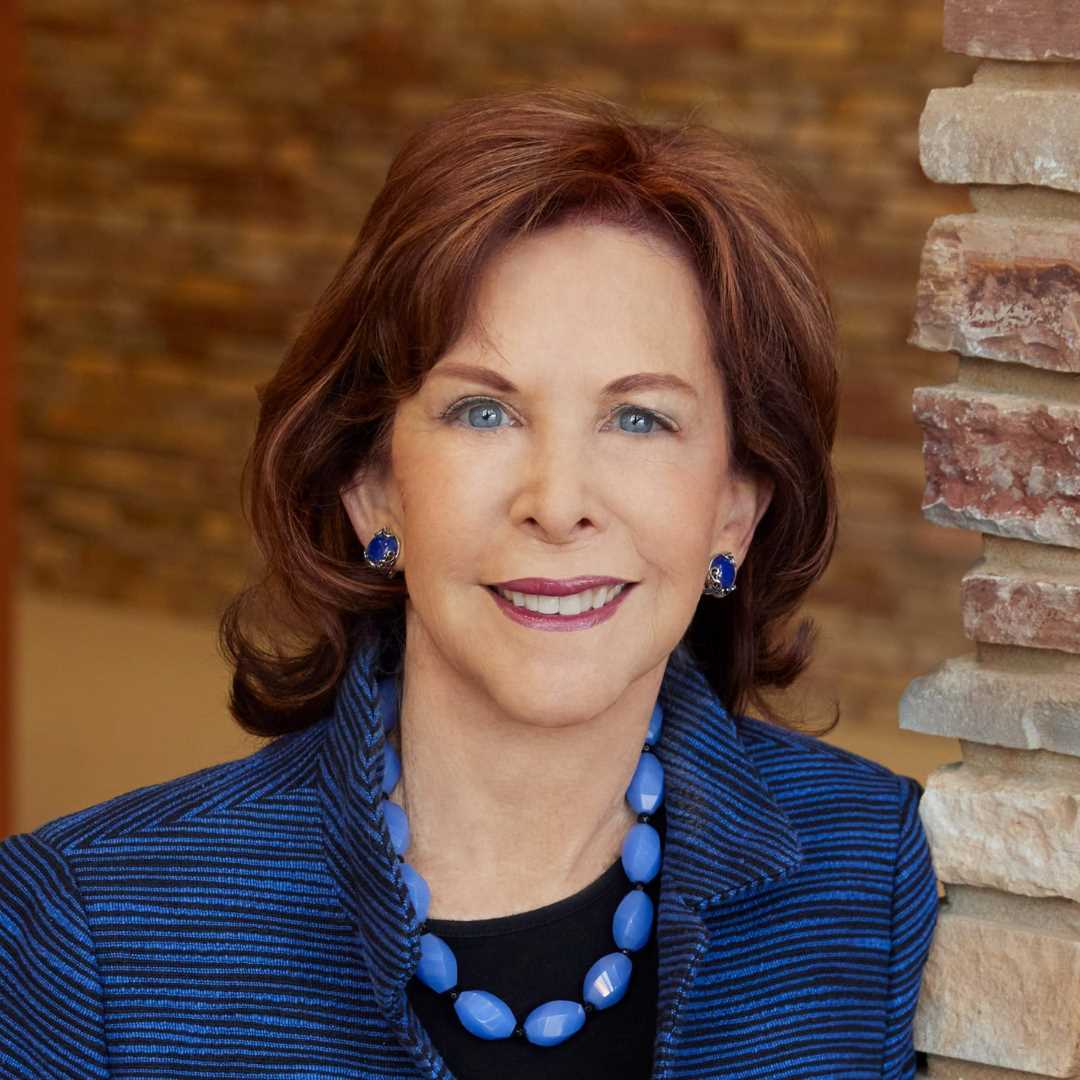 In times of economic instability, investors often seek refuge in assets outside traditional fiat currencies. On her blog, Terry Savage reflects on gold’s historic role as a hedge against inflation and governmental overreach. With gold now topping $3,000 an ounce, it’s proving once again to be a trusted store of value — despite offering no yield and requiring physical storage.
Savage suggests that crypto, while newer and more volatile, shares many traits with gold: finite supply, decentralized structure, and resistance to manipulation. Though Bitcoin and other digital assets have yet to prove themselves over centuries like gold has, their appeal lies in insulating investors from what Savage calls “the whims of government” — a motive that’s becoming increasingly relevant in today’s inflationary environment.
What It All Means for You
Whether it’s the price of a home, the cost of eggs, your energy bill, or where to park your savings, today’s economy is changing the way Americans live and plan for the future. With rising costs, shifting labor markets, and unpredictable policy swings, consumers are being forced to adapt quickly — cutting back, investing differently, or simply bracing for more turbulence ahead.
From rooftops to refrigerators, the message from today’s economic thinkers is clear: the ripple effects of policy choices are hitting home — literally and figuratively — and the days of economic predictability are behind us. Bring one of our economic keynote speakers to your next event to learn more about what our future looks like, how your industry may be impacted, and how you can best plan.