

Mental Health
We found 125 Speakers.
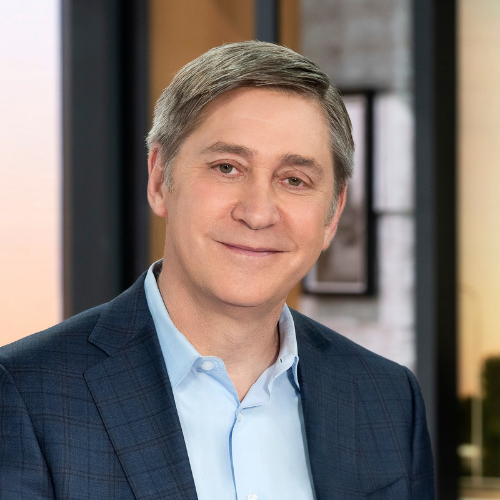
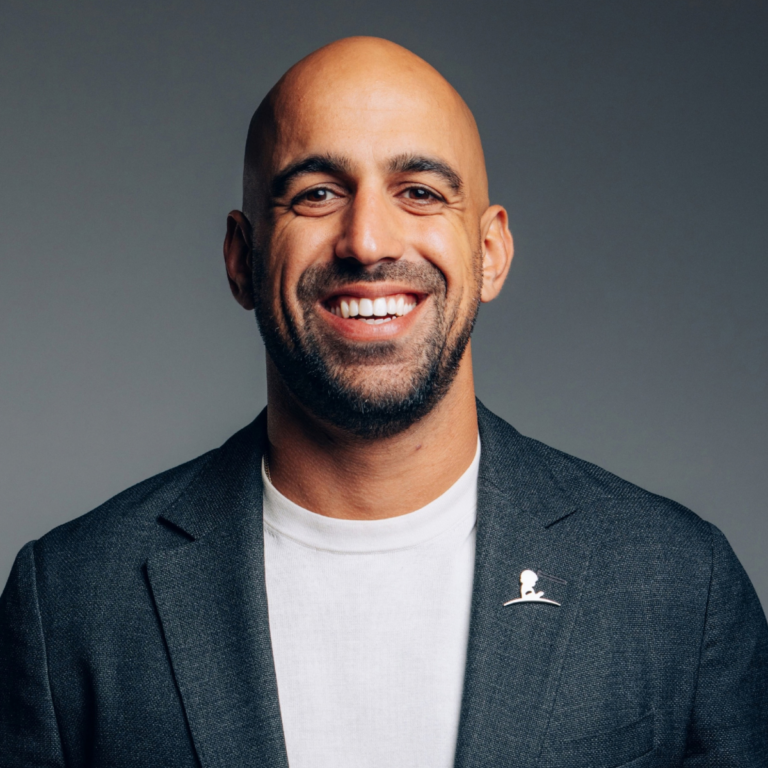
Kevin Hekmat
An engaging, high-energy speaker who equips teams with practical frameworks to reset under pressure, mitigate burnout, and perform at their best when the stakes are highest.

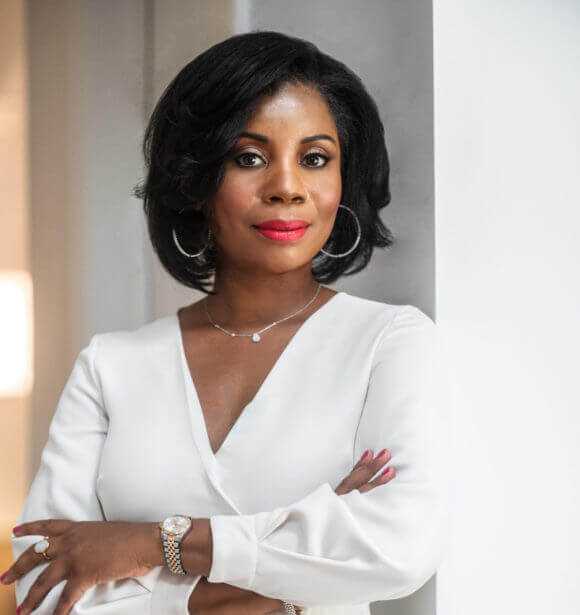
Wema Hoover

Joe Huff
Inspires, Entertains, and Transforms through Humor and Powerful Storytelling
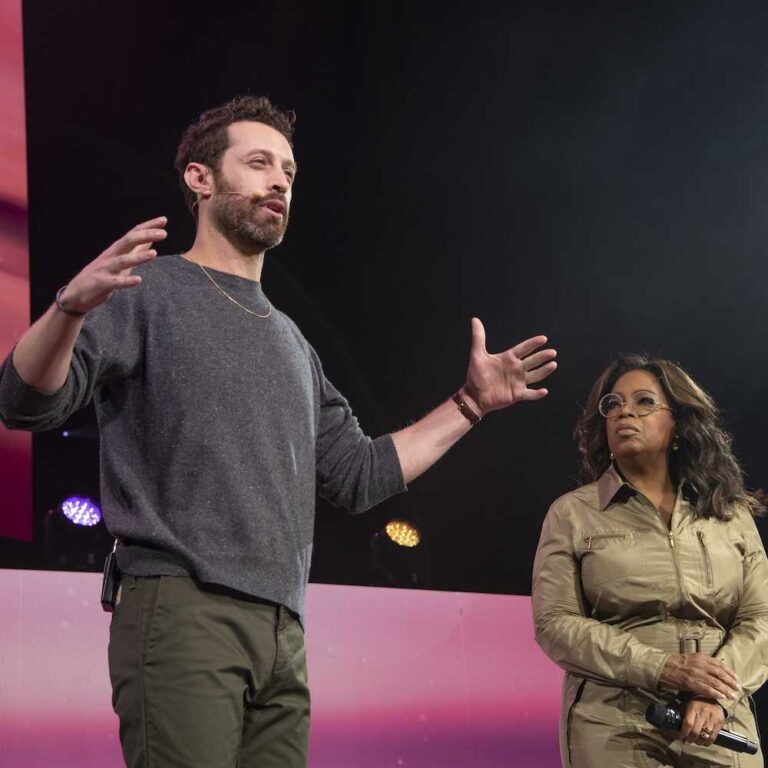
Jesse Israel
Helps leaders unlock potential and build high-performing teams by mastering the art of quieting noise

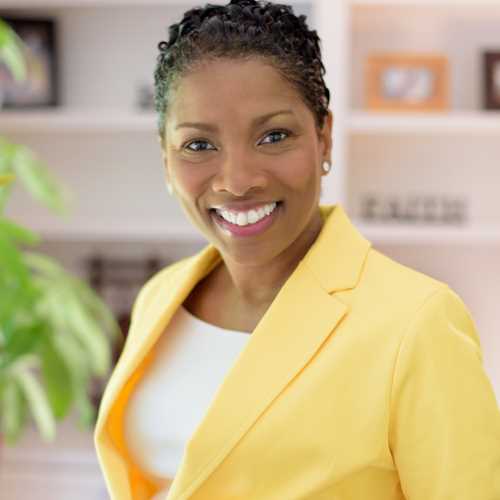
Jennifer Keitt
CEO of the Keitt Institute: A Center for Emotional Development and Well-being
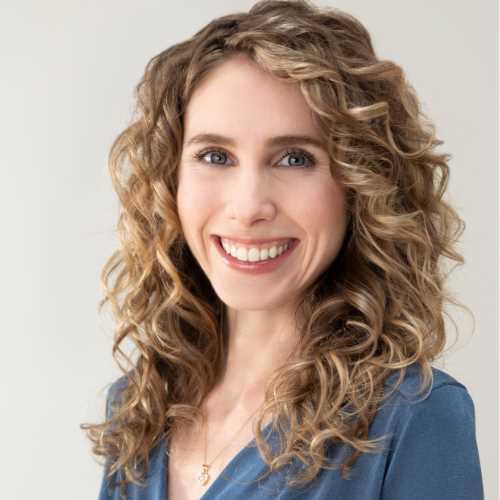
Kasley Killam
Social Health Expert & Author of “The Art & Science of Connection”
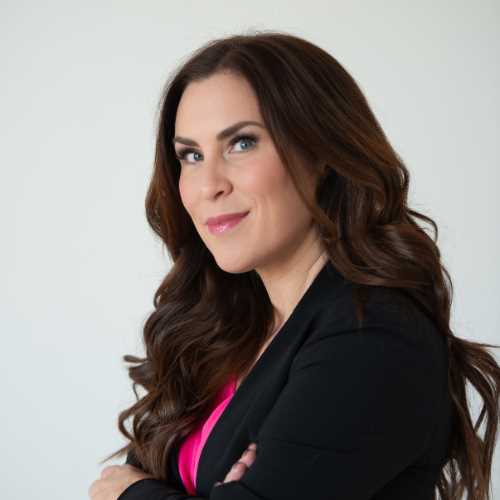

George Kittle
5x Pro Bowler, San Francisco 49ers All-Time Receiving Leader Among Tight Ends, Founder of Tight End University

Nataly Kogan
Happiness Expert, Venture Capitalist & Successful Tech Entrepreneur

Jessie Krebs
U.S. Air Force SERE (Survival, Evasion, Resistance, and Escape.) Training Instructor

Ethan Kross
World's Leading Authority on the Inner Voice and the Science of Managing Emotions
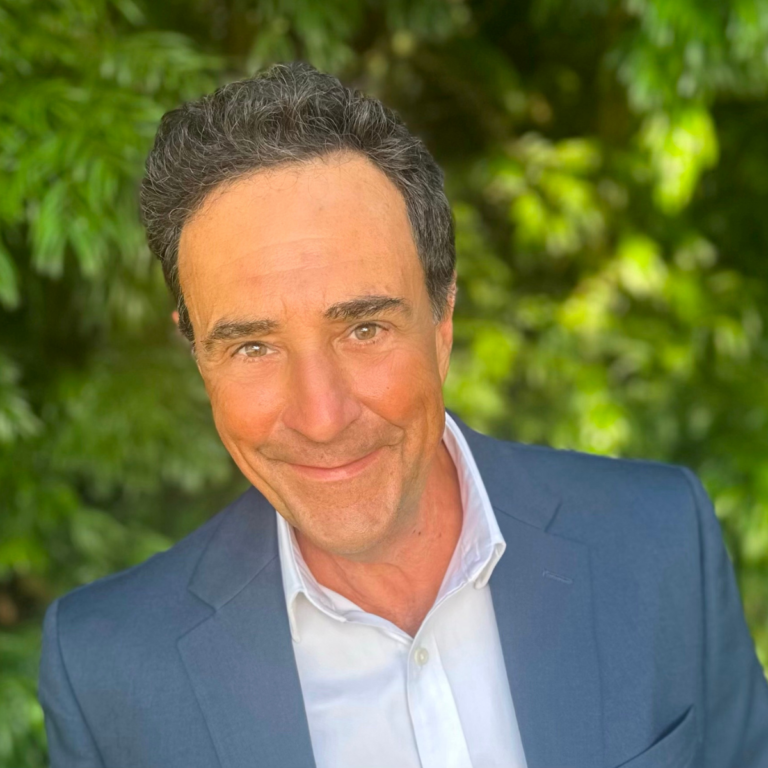
Dr. John La Puma
Physician on Burnout, Sleep and Focus. Two-Time New York Times Bestselling Author of Indoor Epidemic

Steven Langer
Wellness & Sustainable Performance Expert Helping People Live and Lead by Design
Book a Mental Health Speaker for Your Event
Mental health challenges affect every workplace, campus, and community. Bringing in an expert mental health speaker helps reduce stigma, build resilience, and equip your audience with practical strategies to manage stress and support one another. Executive Speakers Bureau connects you with vetted professionals—from licensed psychologists to workplace well-being consultants—who deliver presentations tailored to your audience’s specific needs and your organization’s goals.
Why Book a Mental Health Speaker?
Mental health speakers create space for honest conversations that many organizations struggle to facilitate internally. A qualified speaker can help your audience:
- Recognize early warning signs of burnout
- Learn evidence-based coping techniques
- Understand how to access support resources
- Dispel common myths with accurate, professionally delivered information
Why Mental Well-Being Matters
Mental well-being affects performance, connection, and quality of life across every setting. Addressing mental well-being openly demonstrates that your organization values the whole person—creating environments where people feel safe seeking help and supporting colleagues without judgment.
How Live Events Ignite Change
Live presentations create impact that emails and training modules cannot replicate. Skilled speakers use storytelling to make complex topics relatable and memorable. Key elements that drive engagement:
- Storytelling — Makes complex topics relatable and memorable
- Interactive exercises — Guided activities and small group discussions transform passive listening into active learning
- Real-time polling — Surfaces shared experiences and keeps audiences engaged
- Facilitated Q&A — Lets audiences explore concerns with expert guidance that respects both curiosity and sensitivity
This combination of education, engagement, and empathy makes messages actionable and lasting.
Who Benefits from a Mental Health Keynote?
Mental health speakers serve diverse audiences with different objectives:
- Corporate teams learn to support colleagues while maintaining performance standards and discover how to recognize signs of distress
- Educators and students explore stress management strategies, help-seeking behaviors, and resilience-building techniques
- Nonprofit organizations address burnout prevention and sustainable approaches to mission-driven work
- Healthcare professionals tackle compassion fatigue unique to patient-facing roles and high-stress clinical environments
- Conference attendees gain perspectives on balancing professional demands with personal well-being across industries
Our team helps you match speaker credentials to audience needs—whether you require clinical expertise, organizational psychology insights, or authentic lived-experience perspectives.
How to Choose the Right Speaker for Your Goals
Selecting the appropriate mental health speaker requires aligning topic, credentials, and format with your objectives:
- Define your primary goal. Clarify whether your priority is skill-building, awareness, cultural change, or stigma reduction.
- Match credentials to content needs. Licensed clinicians provide evidence-based frameworks for clinical topics. Organizational psychologists address workplace culture and systems. Advocates with lived experience offer authentic narratives that demonstrate recovery and resilience.
- Consider your audience’s background. Technical depth, language, and examples should reflect whether you’re addressing frontline staff, leadership teams, students, or mixed groups.
- Select the right format. Keynotes (30-60 minutes) work for large audiences seeking inspiration. Workshops (90 minutes to half-day) allow hands-on skill development. Panels showcase multiple perspectives on complex topics.
- Plan for follow-through. Determine whether you need resource materials, follow-up sessions, or integration with existing wellness initiatives.
Popular Topics: Stress Management, Resilience, and More
Mental health speakers address a wide range of themes tailored to your organization’s needs:
- Mindfulness and Stress Management: Practical techniques for managing daily pressures, improving focus, and building emotional regulation skills that audiences can apply immediately.
- Resilience Building: Evidence-based strategies for bouncing back from setbacks, adapting to change, and maintaining well-being during uncertainty.
- Burnout Prevention: How to recognize warning signs, establish boundaries, and create sustainable work practices that protect long-term mental health.
- Workplace Well-Being: Organizational approaches to mental health that improve culture, reduce absenteeism, and foster environments where people thrive.
- Stigma Reduction: Breaking down barriers to help-seeking through education, authentic storytelling, and frameworks that normalize mental health conversations.
- Suicide Prevention Awareness: Responsible education on warning signs, intervention strategies, and how to connect individuals with appropriate resources—delivered with clinical accuracy and compassionate language.
- Leadership and Mental Health: How leaders can model healthy behaviors, support team members effectively, and implement policies that prioritize psychological safety.
Ready to Find Your Ideal Speaker?
Our team brings decades of experience matching organizations with speakers who create meaningful change. We understand the nuances of mental health topics and help you navigate speaker selection with confidence.
Request personalized recommendations, and we’ll guide you through every step of planning an impactful event.
FAQs About Booking a Mental Health Speaker
How much does a mental health speaker cost?
Speaker fees range from $5,000 to $50,000+ depending on credentials, experience, topic specialization, and presentation format. Mental health speakers with clinical licenses and specialized expertise typically command higher fees. Customization level, travel requirements, and event duration also affect pricing. Contact us for specific quotes based on your requirements.
What is the typical length of a mental health keynote?
Standard keynote presentations run 30-60 minutes, allowing time for core content and brief Q&A. Interactive workshops extend to 90 minutes or half-day sessions when skill-building exercises are included. We help you select the format that balances your schedule constraints with learning objectives—shorter sessions work for awareness building, while longer formats support deeper skill development.
Are virtual presentations available?
Most speakers offer virtual delivery and many have developed specialized techniques for online engagement—polls, breakout discussions, chat interaction—that maintain audience connection remotely. Virtual formats reduce travel costs and reach distributed teams effectively, though they require different facilitation strategies than in-person sessions. Platform compatibility and time zone considerations affect scheduling.
How do I measure the impact of a speaker’s session?
Effective measurement combines immediate feedback with longer-term indicators. Post-event surveys assess content relevance, speaker effectiveness, and intended behavior changes. Follow-up surveys (30-90 days later) track whether attendees applied strategies or accessed resources. For workplace settings, monitor utilization of employee assistance programs, participation in wellness initiatives, and cultural shifts in how teams discuss mental health. We help you design evaluation approaches aligned with your goals.
Can we schedule breakout workshops alongside the keynote?
Many speakers offer breakout sessions that allow smaller groups to explore topics in greater depth or practice specific skills. This format works well for conferences or full-day events where a keynote introduces concepts and workshops provide hands-on application. Breakouts require additional time and may affect speaker fees, but they significantly increase participant engagement and skill retention. We coordinate logistics to ensure smooth transitions between formats.